Most electrical panels in residential homes have changed little for decades, yet the loads they carry have grown considerably. Electric vehicle chargers, heat pumps, rooftop solar arrays, and home batteries each add demand or generation that a conventional panel was not designed to coordinate. A SPAN smart panel addresses this gap by monitoring and managing circuits individually. This article explains what a SPAN smart panel is, how it operates, and why homeowners in Delaware, Maryland, Pennsylvania, Virginia, and Washington, D.C. are evaluating a SPAN panel installation as part of their electrical upgrades.
Table of Contents
- Quick Takeaways
- What Is a SPAN Smart Electrical Panel?
- How a SPAN Panel Works
- Why Mid-Atlantic Homeowners Are Switching
- Solar, Battery, and EV Charger Integration
- SPAN Panel Models and Pricing
- Installation Considerations for SPAN Panel Installation
- Common Mistakes When Evaluating a Smart Panel
- Maintenance and Troubleshooting
- Frequently Asked Questions
- References
Quick Takeaways
Key Insight | Explanation |
|---|---|
A SPAN smart panel adds circuit-level visibility | Each branch circuit is measured individually, which gives homeowners usage data that a standard breaker box does not provide. |
Load management can defer service upgrades | In some homes, controlling when high-draw loads run can avoid or postpone a larger service upgrade. A load calculation is required to confirm this for any specific property. |
Solar and storage require coordinated monitoring | Production, battery charge and discharge, and grid use are easier to manage when they are reported from the same panel. |
EV charging benefits from scheduling | Panel-level control can help a home add a charger without exceeding its service rating, provided the charger and panel are compatible. |
Hardware price is only part of the budget | Published SPAN hardware prices exclude installation labor, permits, and any required service work, which often represent a significant share of total cost. |
Model selection depends on the existing panel | Main breaker and main lug only models install differently. Confirm which type fits the service configuration before purchase. |
A licensed electrician must perform the work | Service capacity, grounding, and existing wiring must be assessed before any panel replacement begins. |
What Is a SPAN Smart Electrical Panel?
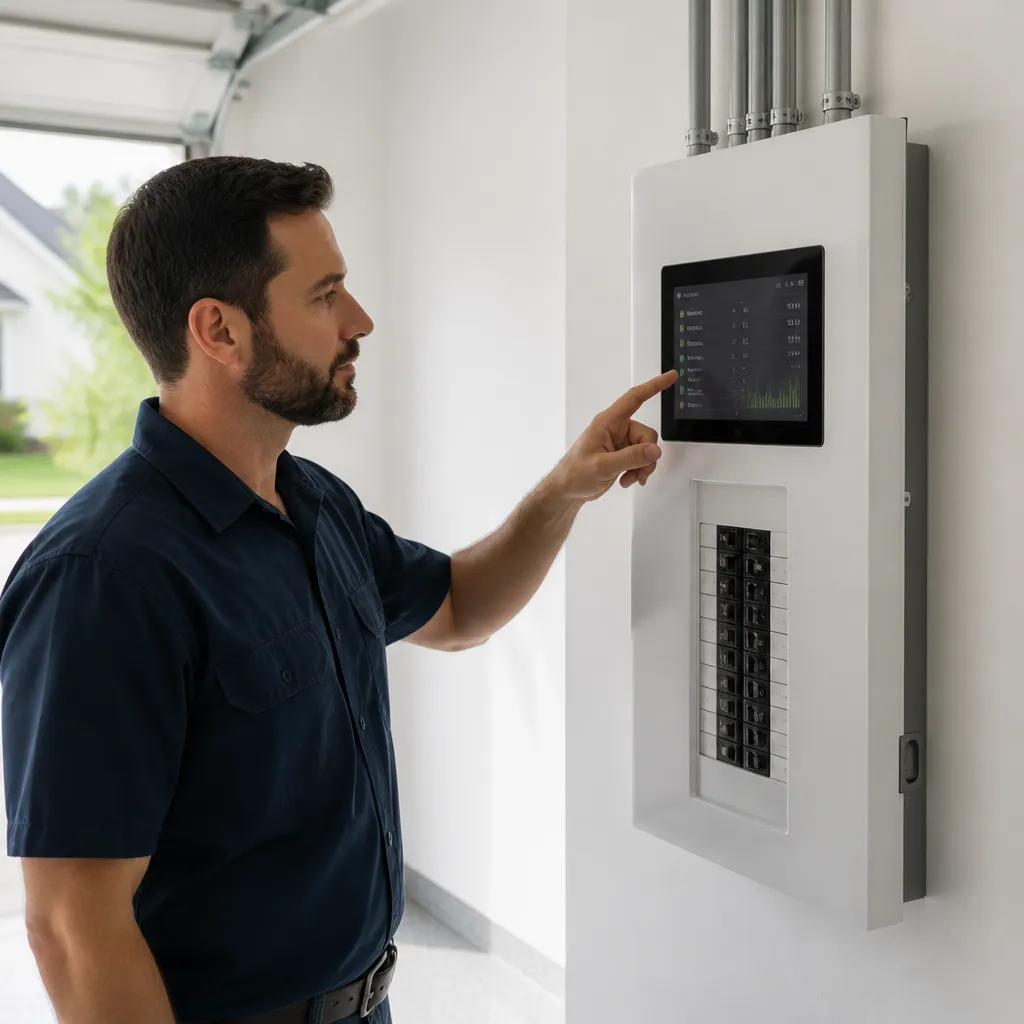
A SPAN smart electrical panel is a main service panel that adds digital monitoring and control to the branch circuits it feeds. A conventional panel distributes power through breakers and reports nothing about how that power is used. The SPAN design keeps the core role of the panel while adding measurement, software, and connectivity to each circuit.
Smart Panels as a Product Category
The term smart panel describes a category of equipment rather than a single product. Industry overviews note that smart panels can improve energy efficiency, support cost savings, and make a home more convenient to manage. They can also prevent circuit overloads and make it easier to connect solar, EV chargers, and residential storage. SPAN is one brand within this category, so homeowners should compare specific models and capabilities rather than the general label.
A panel that reports on each circuit turns a service upgrade from an estimate into a documented decision.
How a SPAN Panel Differs from a Standard Panel
A standard panel offers no visibility into which circuit draws the most power during a given hour. Homeowners who suspect a problem typically rely on trial and error, switching breakers off one at a time. A SPAN panel makes that information available directly, which shortens the diagnostic process and supports more informed decisions about appliances and charging schedules.
The physical installation still involves the main service connection, breakers, and grounding, all of which remain under electrical code. The added monitoring and control do not replace these protective functions, and the panel must be installed by a licensed professional.
How a SPAN Panel Works
A SPAN panel measures electrical current on each circuit it controls and reports the results through its software interface. The system combines that data with overall household demand to show where energy is being consumed. In practice, the most useful outcome is a clear picture of how the home operates across a typical day, not a single reading.
Circuit-Level Monitoring
Circuit-level monitoring assigns usage data to individual loads such as a clothes dryer, a heat pump, or a kitchen circuit. Homeowners can review trends over time and identify circuits that consume more energy than expected. A common finding is that a seldom-used appliance draws power continuously, which a standard panel would not reveal.
Monitoring is most valuable when it is reviewed regularly. A homeowner who checks the data after a major appliance replacement can confirm whether the new equipment performs as expected.
Scheduling and Load Management
Load management allows the system to sequence or limit certain loads when total demand approaches the service rating. This matters most in homes that run several high-draw appliances at once, such as an electric range, an electric water heater, and an EV charger. The exact behavior depends on the panel configuration and the loads connected to it.
Pro tip: Before relying on load management for an EV charger, confirm the charger's control method and make sure it works with the planned panel configuration. A mismatch discovered after installation can require a second visit.
Homeowner Software and Connectivity
The panel connects to homeowner-facing software that presents circuit data, usage history, and system status. Connectivity requirements should be confirmed during planning, because a home with unreliable internet service may not receive the full benefit of remote monitoring. Installers should also document network setup so that future troubleshooting is faster.
Why Mid-Atlantic Homeowners Are Switching
Homeowners across Delaware, Maryland, Pennsylvania, Virginia, and Washington, D.C. typically evaluate a smart panel for one of three reasons: their service capacity is limited, they plan to add new electrical loads, or they already operate solar or storage and want better visibility. Each reason points to a different scope of work, so the decision should begin with a clear understanding of the home's needs.
Older Homes and Limited Service Capacity
Many homes in the region were built when electrical demand was far lower than it is today. In practice, an older home may have a service rating that cannot support an EV charger, a heat pump, and an electric range operating at the same time. A smart panel can reduce the need for a larger service upgrade in some cases, but only after a documented load calculation confirms that the existing service is the limiting factor.
Planning for Future Electrical Loads
Homeowners who expect to add equipment within the next several years often choose a smart panel to avoid repeating electrical work. Installing a panel with monitoring and load control in advance can make later additions simpler to approve and operate. This approach is most effective when the household has a specific plan, such as a second vehicle or a planned heating system change.
Visibility for Homes with Solar or Storage
Homeowners with existing solar arrays frequently find that production data alone does not explain their total energy use. A smart panel shows how solar output, battery activity, and household consumption interact. That combined view supports better decisions about when to run major appliances and whether a battery configuration is performing as expected.
Solar, Battery, and EV Charger Integration
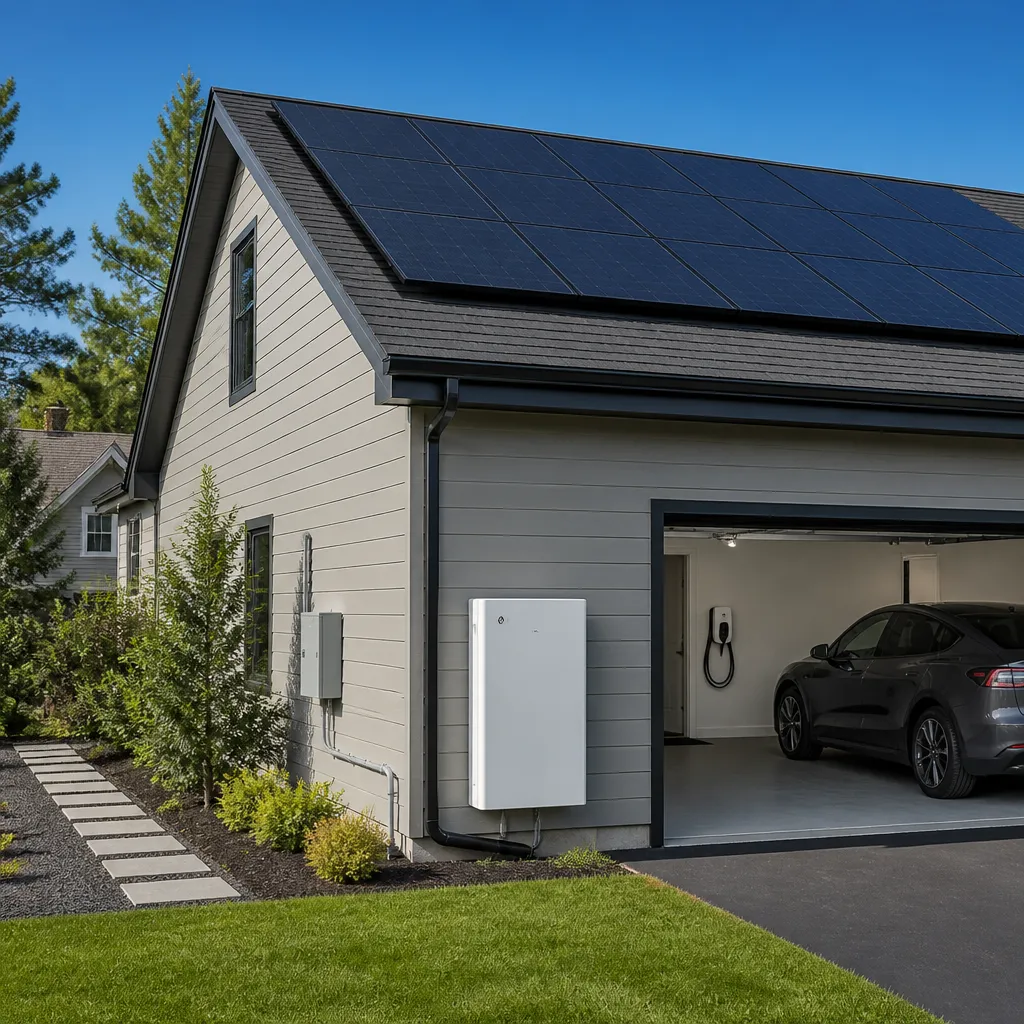
The strongest case for a smart panel usually involves more than one electrical resource. A home that combines solar generation, battery storage, and EV charging places competing demands on a single service connection. Coordinating those resources manually is difficult, and mistakes can overload circuits or leave equipment underused.
Solar Production Monitoring
When solar production is reported alongside circuit data, homeowners can see how much of their consumption is covered at a given time of day. This is useful for troubleshooting as well. A sudden drop in production may point to an inverter fault, a shaded module, or a wiring issue, and comparing the data with household demand helps narrow the cause.
Battery Storage Coordination
Battery storage adds another layer of control. The panel can help determine when the battery charges, when it discharges, and which circuits receive stored energy during an outage, depending on the system design. Battery configuration should be documented during installation so that the homeowner understands what the system will and will not power.
EV Charger Scheduling
EV chargers are among the largest continuous loads in a residential home. Scheduling charging to coincide with available capacity can reduce strain on the service and prevent nuisance tripping. Homeowners should confirm that the charger, the panel, and the vehicle charging schedule are configured together so that the system behaves as intended.
SPAN Panel Models and Pricing
SPAN publishes model names and hardware prices in its support documentation. The three models below illustrate the range of options a homeowner may encounter. Each figure is a hardware price as listed in that documentation at the time of research, and prices can change, so the current figure should be verified before budgeting.
Model | Listed Hardware Price | Configuration Notes |
|---|---|---|
SPAN Panel MAIN 16 | $2,950 | Main breaker model. Compare the circuit count against the home's current panel before selecting this size. |
SPAN Panel MLO 24 | $2,550 | Main lug only model. The service disconnect must be addressed as part of the installation design. |
SPAN Panel MAIN 40 | $4,100 | Main breaker model in a larger size class. Review it against total planned loads, including any future additions. |
Choosing Between Main Breaker and Main Lug Models
The distinction between main breaker and main lug only models is one of the most important selection points. A main breaker model includes the main disconnect within the panel, while a main lug only model requires the service disconnect to be handled separately. The correct choice depends on the existing service equipment, so the decision should be made after an inspection rather than before.
Reading Listed Prices Correctly
Listed prices cover the panel hardware only. Installation labor, permits, inspections, and any service upgrade or grounding correction are separate costs. A homeowner who compares only hardware prices may underestimate the total project, so the budget should be based on a written estimate for the specific property.
Installation Considerations for SPAN Panel Installation
A SPAN panel installation is a service-level electrical project. It involves the point where utility power enters the home, the protective devices that control it, and the circuits that serve every room. Planning should therefore begin with an assessment of the existing equipment, not with the product selection alone.
Load Calculation and Service Capacity
A load calculation estimates the electrical demand of the home based on its appliances, heating and cooling equipment, and planned additions. The result determines whether a smart panel alone is sufficient or whether a service upgrade is also required. Skipping this step is the most common cause of avoidable cost in these projects.
Permits, Inspections, and Licensed Work
Panel replacements generally require permits and inspections under local electrical codes. Requirements vary by jurisdiction across Delaware, Maryland, Pennsylvania, Virginia, and Washington, D.C., so the installer should confirm the applicable process before work begins. Installers also follow the manufacturer's installation manuals, which SPAN publishes for each panel model.
Grounding, Bonding, and Existing Wiring
Older homes may contain wiring, grounding conductors, or bonding arrangements that do not meet current requirements. These conditions are often discovered only after the old panel is opened. A careful installer documents existing conditions, identifies corrections, and communicates any added scope to the homeowner before proceeding.
Common Mistakes When Evaluating a Smart Panel
Most problems with smart panel projects trace back to decisions made early in the process. Homeowners who understand the most frequent errors are better positioned to ask the right questions and compare proposals accurately.
Buying Hardware Before a Load Assessment
Some homeowners purchase a panel first and schedule the assessment later. If the assessment reveals that a service upgrade is needed, the hardware choice may no longer fit the project. A load assessment should precede any purchase decision.
Overlooking Compatibility with Existing Equipment
Existing chargers, inverters, batteries, and thermostats may use communication methods that differ from the panel's requirements. Compatibility should be confirmed in writing with the equipment manufacturer and the installer. A mismatch found after installation can delay the project and increase cost.
Assuming Monitoring Replaces Protection
Circuit monitoring and load control provide information and scheduling, but they do not replace overcurrent protection, grounding, or the requirements of the electrical code. Homeowners should not treat software data as a substitute for proper breakers, correct wire sizing, or a sound installation.
Maintenance and Troubleshooting
After installation, a smart panel becomes a source of operating data. Regular review of that data helps homeowners identify changes early, but the data is only useful when someone interprets it correctly. Maintenance should combine routine monitoring with periodic professional inspection.
Reviewing Monitoring Data
A monthly review of circuit usage can reveal gradual changes, such as an appliance drawing more power as it ages. Homeowners should note any unexpected spikes, repeated load-management events, or circuits that report no activity. These patterns are useful information for an electrician during a service call.
Solar System Diagnostics After a Panel Change
Replacing a panel can affect how solar production and battery activity are reported. After a panel change, the solar system should be checked to confirm that production, metering, and battery functions remain correct. Triple R Energy provides solar system diagnostics and troubleshooting for residential customers in its service area, which can help confirm that the system operates as designed.
When to Call a Licensed Electrician
Any warning signs, including a burning odor, repeated breaker trips, warm panel surfaces, or a sudden loss of monitoring, warrant prompt professional attention. Homeowners with questions about panel troubleshooting, service upgrades, or battery services can contact Triple R Energy for an assessment of the existing system.
Frequently Asked Questions
What is a SPAN smart panel?
A SPAN smart panel is a main electrical panel that adds circuit-level monitoring and control. It reports how much power each circuit uses and can help manage when certain loads operate, depending on the configuration.
Does a SPAN panel installation always require a service upgrade?
No. A load calculation determines whether a service upgrade is necessary. In some homes, load management reduces the need for a larger service, but the result must be confirmed for each property before work begins.
How much does a SPAN panel cost?
SPAN's support documentation lists hardware prices for each model, such as $2,550 for the MLO 24 and $4,100 for the MAIN 40 at the time of research. Total project cost also includes installation, permits, inspections, and any required service work.
Can a SPAN panel work with solar and battery storage?
A smart panel is designed to coordinate monitoring for solar production, battery storage, and household loads. The specific integration depends on the equipment and system design, so the configuration should be confirmed during planning.
Does Triple R Energy install smart panels in the Mid-Atlantic region?
Triple R Energy is a licensed electrical contractor serving Delaware, Maryland, Pennsylvania, Virginia, and Washington, D.C. The company provides electrical panel and service upgrades, EV charger installation, battery storage services, and solar system diagnostics and repair.
Homeowners who have worked through a smart panel decision, whether for a new installation or a retrofit, are invited to share their experience, questions, or observations about the process.