Homeowners who plan to sell often ask how residential electrical upgrades affect home value, and how much of the cost they can expect to recover. The answer depends on the condition of the existing system, the capacity it provides, and the expectations of the buyer. Some projects, such as correcting an undersized service or preparing a home for solar and battery storage, remove a limitation that buyers notice. Others, including work on a system that is already safe and modern, rarely return their full cost. This article explains which upgrades carry the strongest value case, which ones seldom justify their price, and how to plan the work before listing.
Table of Contents
- Quick Takeaways
- How Buyers Evaluate Electrical Systems
- Upgrades With the Strongest Value Case
- Upgrades That Rarely Recover Their Cost
- Solar, Battery Storage, and Resale Value
- Comparing Common Upgrade Options
- Planning the Work Before You List
- Common Mistakes to Avoid
- Frequently Asked Questions
- References
Quick Takeaways
Key Insight | Explanation |
|---|---|
A limited service is the clearest value case | A home with limited capacity for EV chargers, heat pumps, or battery storage may need a 200-amp service upgrade. This removes a constraint that buyers and inspectors can identify. |
A working system rarely adds measurable value | Upgrading a safe, modern panel that meets household needs usually costs more than the resale value it adds. |
Age and symptoms set the urgency | Wiring more than 40 years old, or any system with flickering lights, tripped breakers, or discolored outlets, warrants a licensed evaluation regardless of resale plans. |
Solar and storage depend on existing capacity | Solar and battery projects support resale value when the electrical service can accommodate them and the system is documented and operating correctly. |
Incentives are claimed in two ways | Federal tax credits are claimed with IRS Form 5695. State, territory, or tribal rebates have their own eligibility rules and must be checked separately. |
Documentation supports the value | Permits, final inspection records, and equipment manuals allow a buyer to verify that the work was completed to code. |
An evaluation comes before a budget | A written electrical evaluation confirms which upgrades a specific home requires before any money is committed. |
How Buyers Evaluate Electrical Systems
When a property is listed, its electrical system is reviewed in two stages. Buyers and their inspectors first check the visible condition of the panel, outlets, and wiring. They then assess whether the home can support modern loads such as an electric vehicle charger, a heat pump, or battery storage.
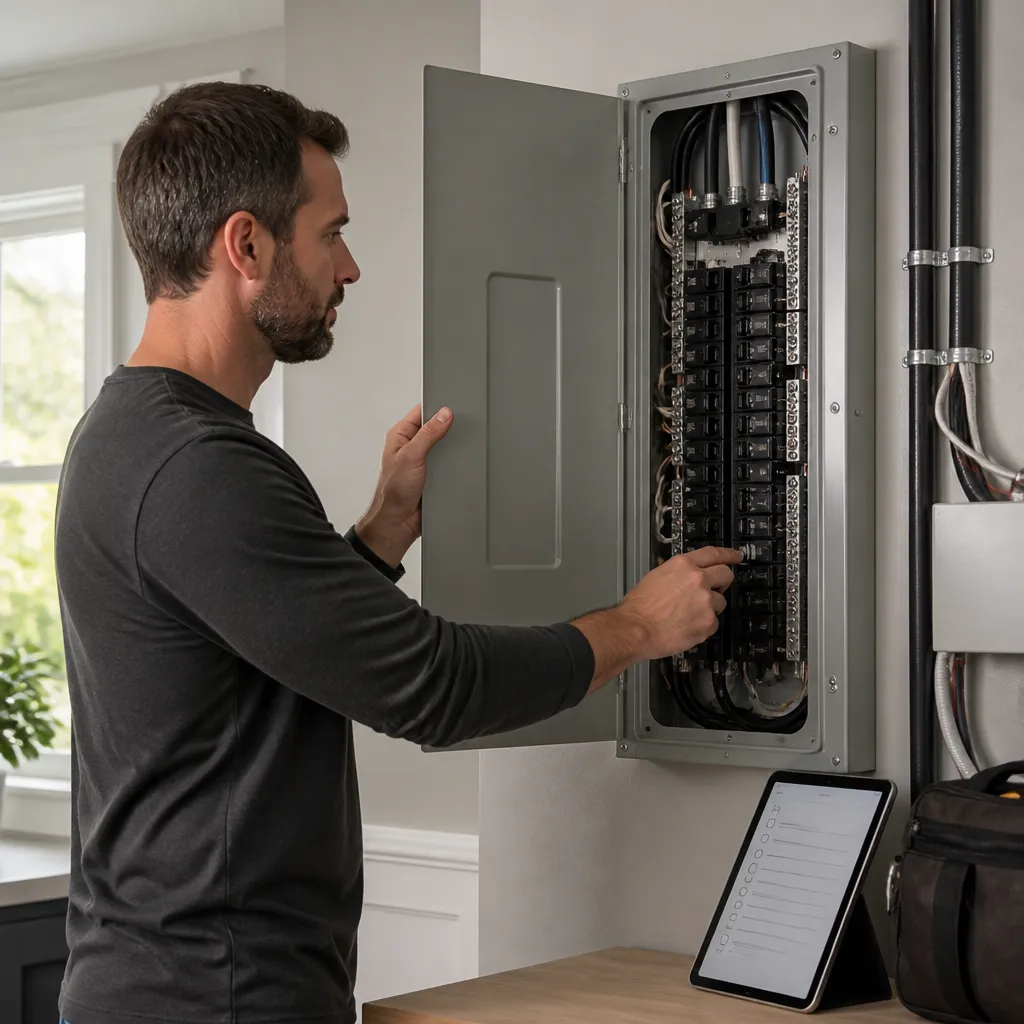
Homeowners often assume that any electrical work increases value. In practice, value depends on whether an upgrade removes a limitation that a buyer would otherwise need to fund, or corrects a condition that could delay a sale. HomeServe observes that upgrading a modern system that works well generally does not raise resale value significantly, and that the spending on such work often exceeds the amount recovered at sale.
What Inspectors and Buyers Look For
Inspectors typically review the service rating, the panel's make and condition, the presence of grounding and bonding, and any signs of heat or damage at breakers and outlets. Available breaker space is also significant, because a panel without open positions limits the addition of circuits for a charger or battery system. Older panel models that have a documented history of problems are commonly flagged, which can lead to requests for repair during negotiations.
Recording these details before listing helps set realistic expectations. A seller who can state the service size and the number of open breaker positions answers two of the first questions an inspector will raise.
Age and Condition Signals
HomeServe advises that wiring more than 40 years old, or any system that does not function as it should, may justify replacement regardless of the effect on sale price. Flickering lights, tripped switches, and discolored outlets can indicate a fire hazard. These symptoms call for prompt evaluation by a licensed electrician. Replacement in such cases is a safety decision first and a value decision second.
Pro tip: Request a written electrical evaluation before listing. A short report that states the service rating, panel condition, and open breaker positions gives buyers verifiable facts and reduces speculation during negotiations.
Upgrades With the Strongest Value Case
Among residential electrical upgrades, the strongest value case usually belongs to work that removes a capacity limit. A home with a 100-amp service may struggle to support an EV charger, a heat pump, and a battery system at the same time. Raising the service addresses that constraint directly.
200-Amp Service Upgrades
Triple R Energy performs electrical service and panel upgrades to 200A or 400A service, including 100A-to-200A upgrades where required. The work may include service entrance equipment, meter socket and meter-main replacement, and grounding and bonding corrections. Each project begins with a load review, since the required capacity depends on existing appliances and planned equipment.
A service upgrade does not add a fixed amount to a sale price. Its value lies in allowing the buyer to add an EV charger, solar, or storage without a separate service project. For a detailed explanation of when this work is warranted, see Do You Need a 200-Amp Electrical Service Upgrade?
SPAN Smart Electrical Panels
SPAN Smart Electrical Panel installation is a related option for homeowners who want a modernized panel with circuit-level monitoring. An updated electrical core can be a useful point to present in a listing, because it documents recent work on the home's distribution equipment. Its value depends on the home's load profile and on whether the installation is completed with a permit and inspection record. The SPAN Smart Electrical Panel: Mid-Atlantic Homeowner Guide covers the decision in more detail.
Capacity that a buyer does not have to build is often worth more than the equipment that creates the need for it.
Dedicated EV Charger Circuits
A dedicated Level 2 circuit, installed with correctly sized conductors and overcurrent protection, prepares a home for electric vehicle ownership. The U.S. Department of Energy's Alternative Fuels Data Center notes that EV owners may install Level 2 (240 V) equipment for faster charging, or rely on the Level 1 cordset supplied with the vehicle. Buyers who plan to drive an electric vehicle may view a completed installation as a practical advantage. Operating cost is a separate question. One installer analysis cited in the references estimates home charging at roughly $13 per full charge, although results vary by vehicle and local electricity rates.
Pro tip: Keep the permit, the final inspection record, and the charger's installation documentation together in one folder. Buyers and their agents can verify completed work more easily when the records are organized and dated.
Upgrades That Rarely Recover Their Cost
Not every electrical project improves a sale price. Work on a system that is safe, reasonably new, and adequate for the household typically adds little measurable value. HomeServe notes that in these cases, the cost of the upgrade often exceeds the amount recovered at sale, and that other improvements may deliver a higher return.
Working Systems Without a Defect
Replacing a functional panel that has adequate capacity and open breaker positions is a common example. The work may be justified for insurance, convenience, or long-term planning, but it should not be presented as a value driver. A licensed electrician can confirm the condition in a single visit, which avoids spending on a replacement the property does not need.
A cost-versus-value comparison summarized in the HomeServe article lists hardwood floor refinishing at a 147% return, wood floor installation at 118%, and insulation upgrades at 100%. These figures come from a 2023 publication and do not measure electrical projects directly. They illustrate that some non-electrical improvements return more of their cost at sale than corrective electrical work that was not urgent.
Cosmetic Rewiring
Rewiring a home that has no documented defect is seldom a sound resale investment. Wall openings, patching, and repainting add cost that buyers do not usually attribute to value. Where rewiring is needed, the scope should follow the findings of a written evaluation rather than a general preference for newer materials.
The most common mistake in this category is treating every electrical project as an investment. A more reliable approach ranks projects first by the condition they correct, then by the capacity they add, and only last by their effect on resale.
Solar, Battery Storage, and Resale Value
Renewable energy systems occupy a different position. HomeServe notes that investing in renewable energy can increase resale value while reducing energy costs, and that solar panels often yield the strongest return among the projects it discusses. The actual return depends on the system's capacity and on the local market where the home is sold.
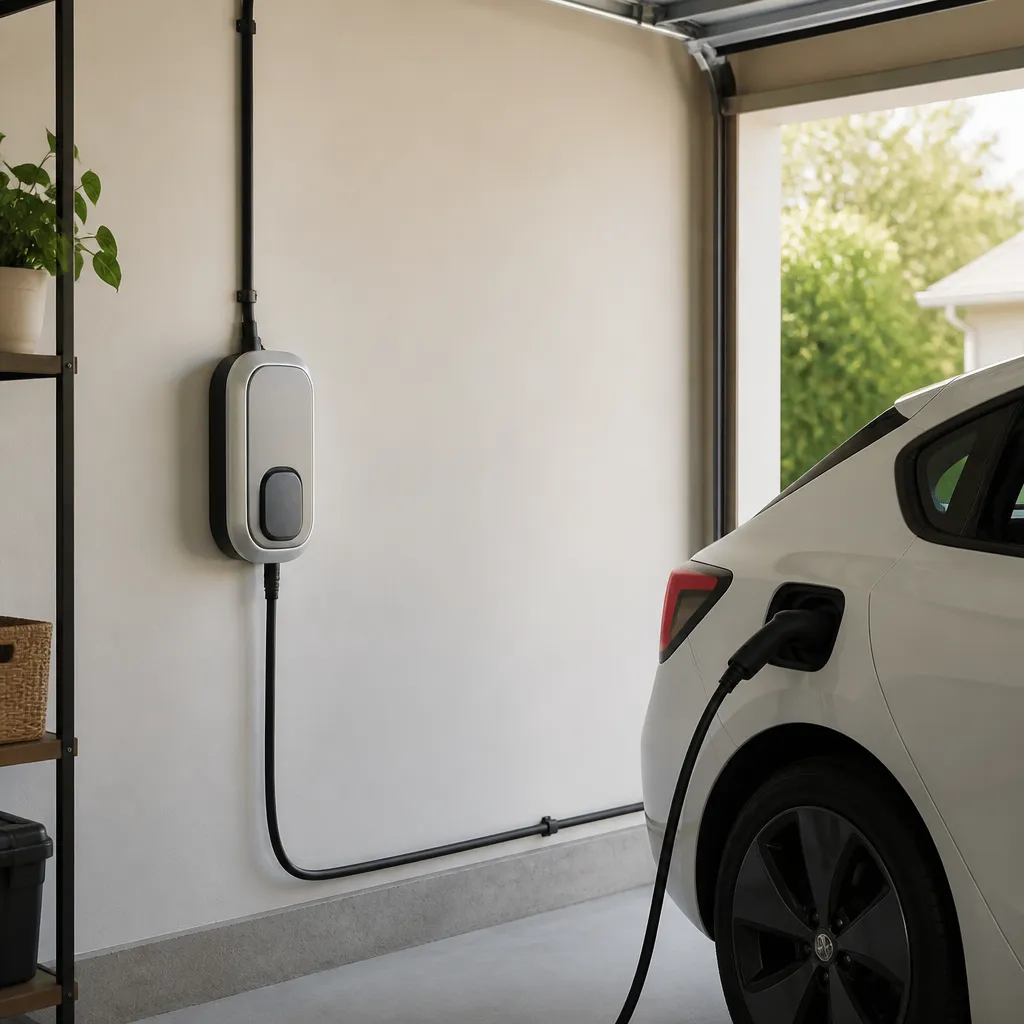
For homeowners in Delaware, Maryland, Pennsylvania, Virginia, Washington, D.C., and the wider Mid-Atlantic region, the practical question is whether the existing electrical service can support solar and storage equipment without a separate upgrade. Triple R Energy provides solar system diagnostics and troubleshooting, solar maintenance, and battery services. Its Enphase System Upgrade Program modernizes older systems with current microinverter technology, and the company works on systems from all manufacturers, including those whose installers are no longer in business.
Incentives Are Claimed in Two Ways
The energy.gov home upgrades resource explains that homeowners can receive money back through a tax credit or a rebate. A federal tax credit is claimed by submitting IRS Form 5695 with the tax return, and it reduces the tax owed or increases the refund. Rebates are managed by state, territory, or tribal programs, which determine eligibility for each product.
Program terms change, so homeowners should confirm current eligibility before signing a contract. Records of the completed work and the proof of cost should be kept with the property file, because a buyer may ask to see them.
Capacity Determines Payback
A solar array that exceeds the home's electrical service, or that lacks a compatible interconnection plan, can require additional work before it operates properly. Confirming panel space, service rating, and grounding during the planning stage prevents delays. A solar system assessment is free, and it allows the return on a specific system to be estimated from the home's actual conditions rather than from general averages.
Comparing Common Upgrade Options
The table below compares three options that homeowners most often evaluate. Each addresses a different limitation, so the choice should follow the home's condition and planned equipment rather than expected value alone.
Upgrade | Value Driver | Best Suited For |
|---|---|---|
200-amp service upgrade | Removes a capacity limit for EV charging, solar, and battery storage | Homes with a 100-amp service or limited capacity for new loads |
SPAN Smart Electrical Panel installation | Modernizes the panel and adds circuit-level monitoring | Homes with an aging panel or planned energy-system additions |
Dedicated Level 2 EV charger circuit | Prepares the home for electric vehicle ownership with a completed installation | Homes where an electric vehicle is owned or planned |
Choosing Between the Options
Choosing among these options requires a load review. A 200-amp service may be unnecessary for a home that needs only one charger, while a home with little breaker space may gain more from a panel upgrade than from additional circuits. The EV charger process reviews the main service, the panel rating, available breaker space, and existing household loads before any equipment is selected.
In practice, the most effective sequence is an evaluation, followed by any required service or panel correction, and then the addition of EV or solar equipment. Working in that order avoids paying twice for the same electrical capacity. Homeowners who want to review the charging process can read the Residential EV Charger Installation page or submit an EV Charger Installation Quote request.
Planning the Work Before You List
Timing matters as much as scope. Electrical work completed several months before a listing gives the seller time to address any findings, obtain final inspection records, and provide documentation to the buyer's agent. Work scheduled during an active sale can delay closing if an inspection item is discovered late.
Permits and Inspection Records
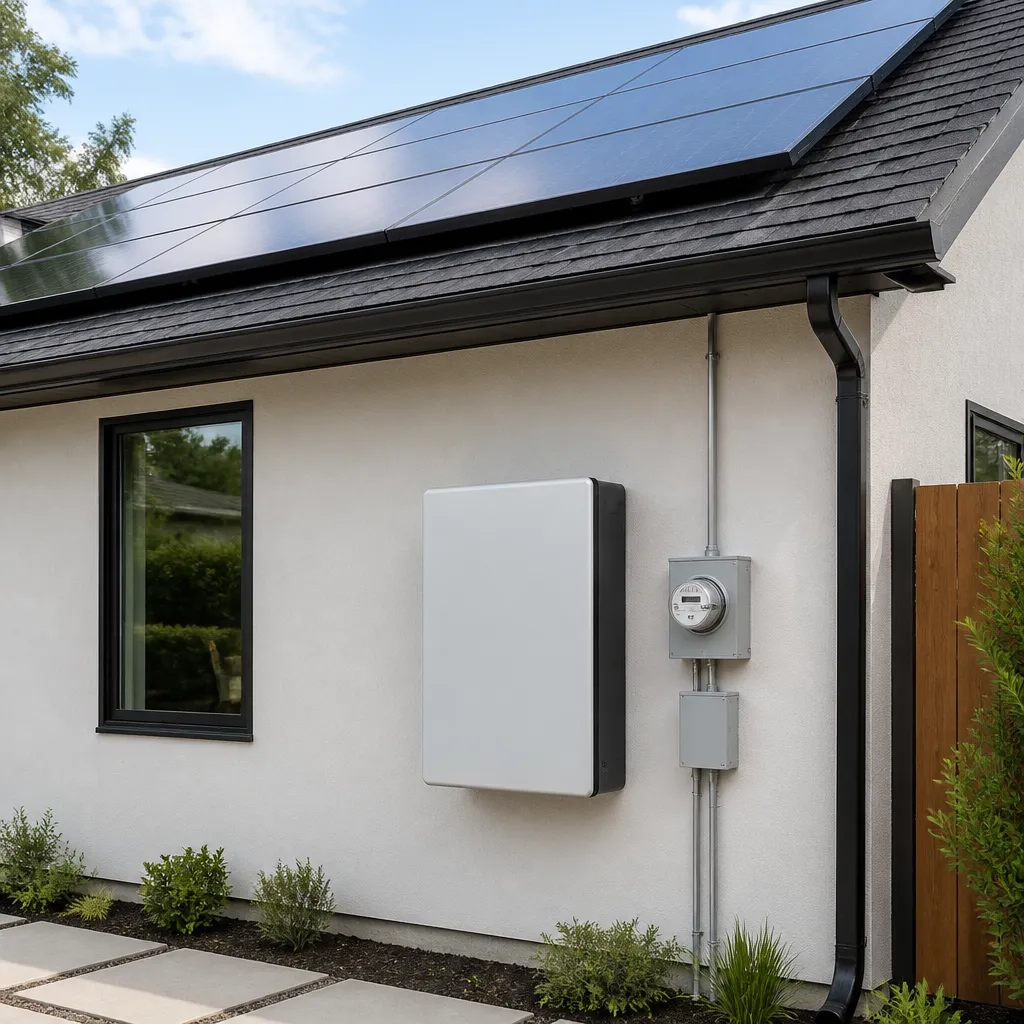
Permits and final inspections confirm that electrical work was reviewed under local requirements. Triple R Energy coordinates permit and inspection steps when they are required, and it recommends that homeowners retain those records with the property file. Reviewing requirements before installing solar or an EV charger helps prevent gaps in the record.
For more detail on what the inspection covers before solar or EV work, read Residential Electrical Inspection Before Solar or EV Charging.
Sequencing Work Around a Sale
A practical sequence begins with an electrical evaluation, followed by scoping the corrective work, then completing permitted installations, and finally assembling the documents. Each step can be scheduled independently. The evaluation alone can usually be completed without committing to a full project, which allows the seller to decide after reviewing the findings.
Pro tip: Ask the electrician to note the service rating and the open breaker positions on the invoice. That single detail answers one of the first questions a buyer's inspector will raise about the electrical system.
Common Mistakes to Avoid
Several mistakes recur in homes being prepared for sale. The most common is selecting a project because it sounds valuable rather than because it addresses a documented condition or capacity limit. The second is starting work without a load review, which can lead to a larger service upgrade than necessary, or to a panel that lacks space for planned equipment.
Oversizing Without a Load Review
Adding capacity beyond what the household needs increases cost without a proportional gain in value. A load calculation considers existing appliances, the charger's maximum current, and any planned solar or battery equipment. Skipping this step is a frequent cause of unnecessary spending.
Skipping the Paperwork
Undocumented work is a frequent source of buyer concern. Without permits, inspection records, or equipment manuals, a buyer cannot verify what was installed. A dated file containing invoices, permit numbers, and product information turns completed work into a verifiable part of the property record. Homeowners with questions about a specific project can contact Triple R Energy at (856) 203-0884 or at support@triplerenergy.com.
Frequently Asked Questions
Do electrical upgrades increase home value?
Some do and some do not. Upgrades that correct a documented safety issue or remove a capacity limit, such as a 200-amp service upgrade where it is needed, are more likely to matter to buyers. A modern system that works well usually adds little measurable value, according to HomeServe's review of the subject.
Which residential electrical upgrade adds the most value?
No single upgrade suits every property. For many homes, a service or panel upgrade that enables EV charging, solar, and battery storage offers the most practical benefit. Solar systems can also support resale value when they are documented and operating correctly, and the result depends on the home and the local market.
Is a 200-amp service upgrade worth it before selling?
It can be, particularly when the existing service cannot support planned equipment or when a buyer would otherwise need to fund a service upgrade. A load review should confirm whether the work is necessary for the specific home. Triple R Energy provides 200A service upgrades and can explain the requirements for a particular property.
Do I need a permit for an EV charger installation?
Permit requirements vary by jurisdiction. Many installations require a permit and inspection, and Triple R Energy coordinates those steps when they are required. Homeowners should confirm local requirements before work begins.
Are solar incentives available to homeowners?
Federal tax credits are claimed by submitting IRS Form 5695 with the tax return, according to energy.gov. Rebates are managed by state, territory, or tribal programs, and eligibility differs by location. Homeowners should verify current terms before committing to a project.
Does Triple R Energy charge for a solar system assessment?
A solar system assessment is free. Homeowners can request one through the website or by calling (856) 203-0884 Monday through Friday from 7:00 AM to 6:00 PM, or on Saturday from 8:00 AM to 4:00 PM.
We welcome feedback from homeowners who have completed electrical upgrades before a sale, and we invite you to share which improvements proved most useful in your own experience.
We would love your feedback and any insights you would share with others. What perspective would you add?